 X.C STUDIO
X.C STUDIO
X.C STUDIO
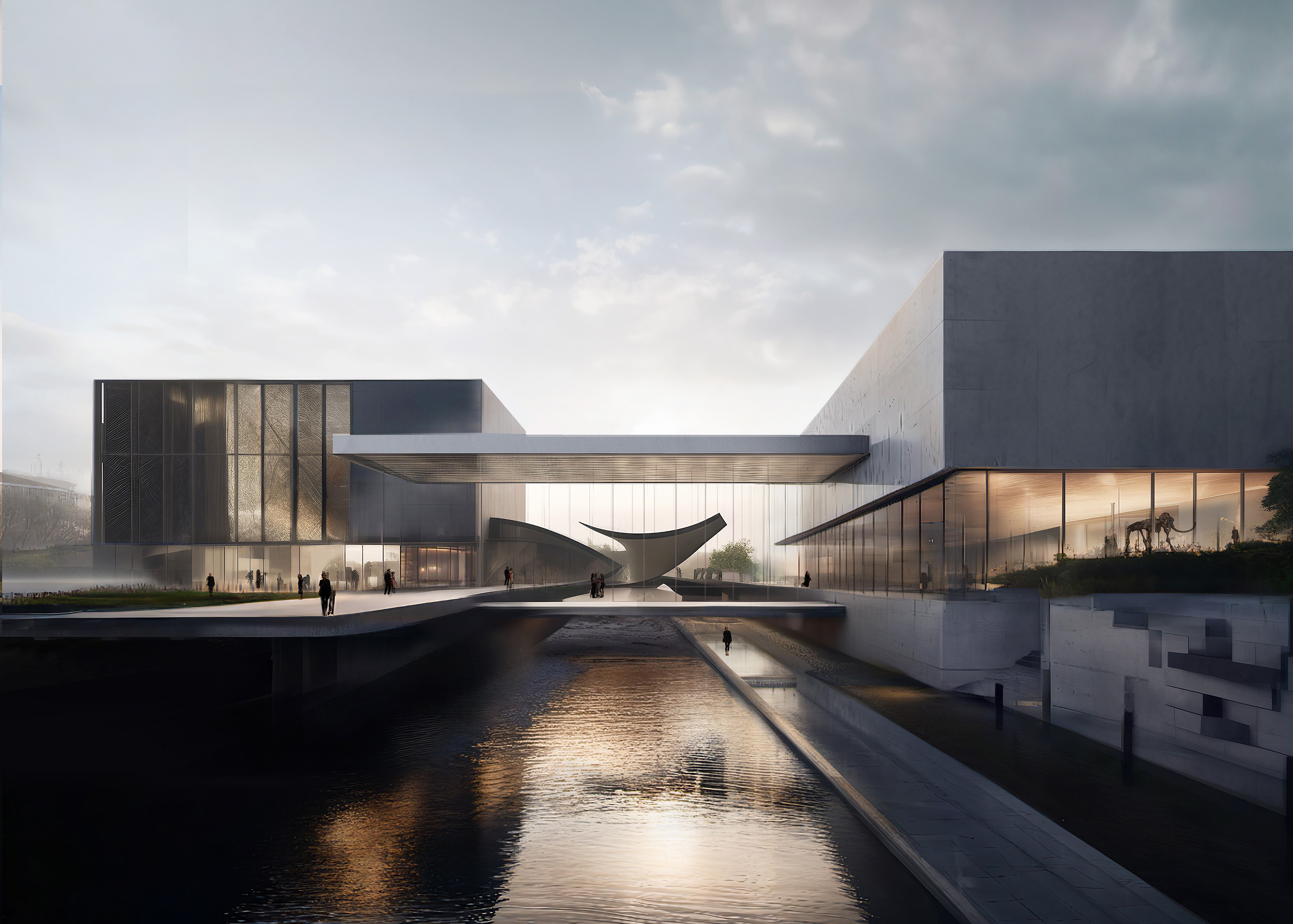
Under the La Brea Tar Pits, forty thousand years of animals lie in the dark. Nobody knows exactly what is down there. The museum is built around that not knowing.
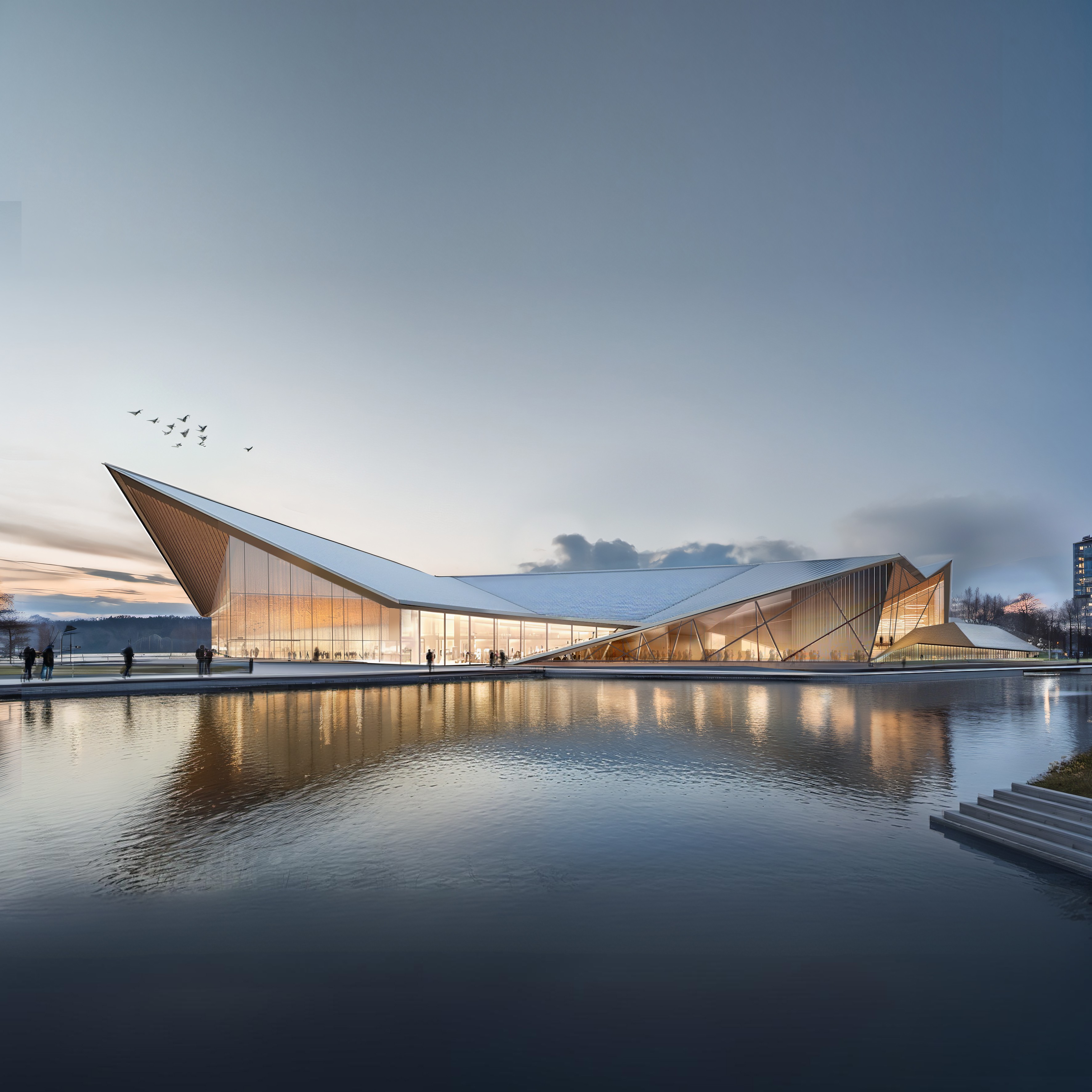
The history of the Tar Pits is a history of three acts: digging, finding, keeping. The proposal gives each act its own building and lets the visitor pass through all three, in that order.
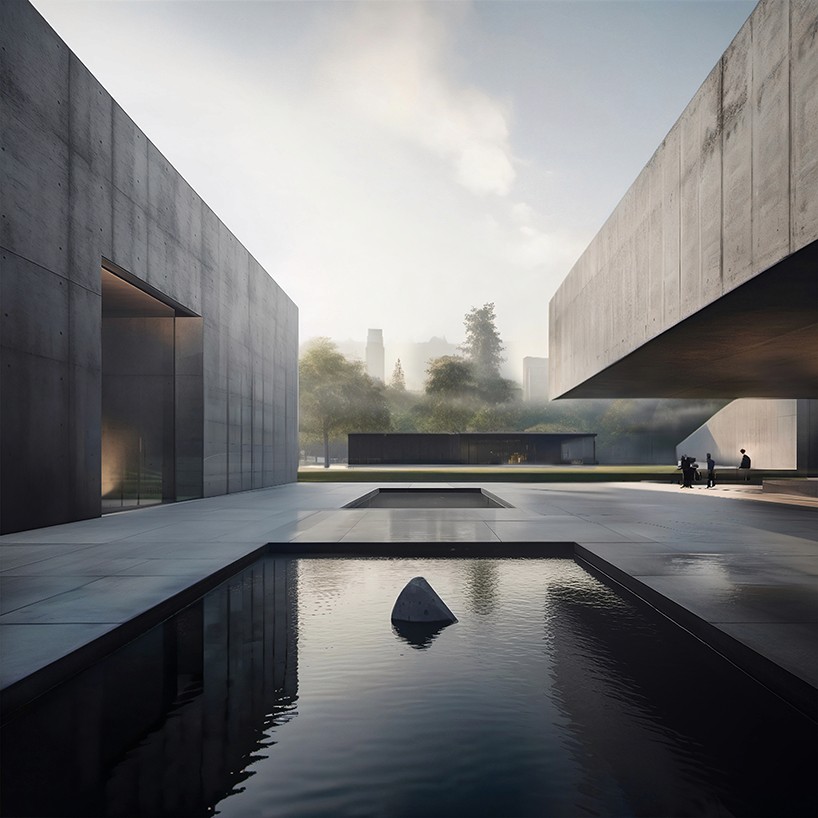
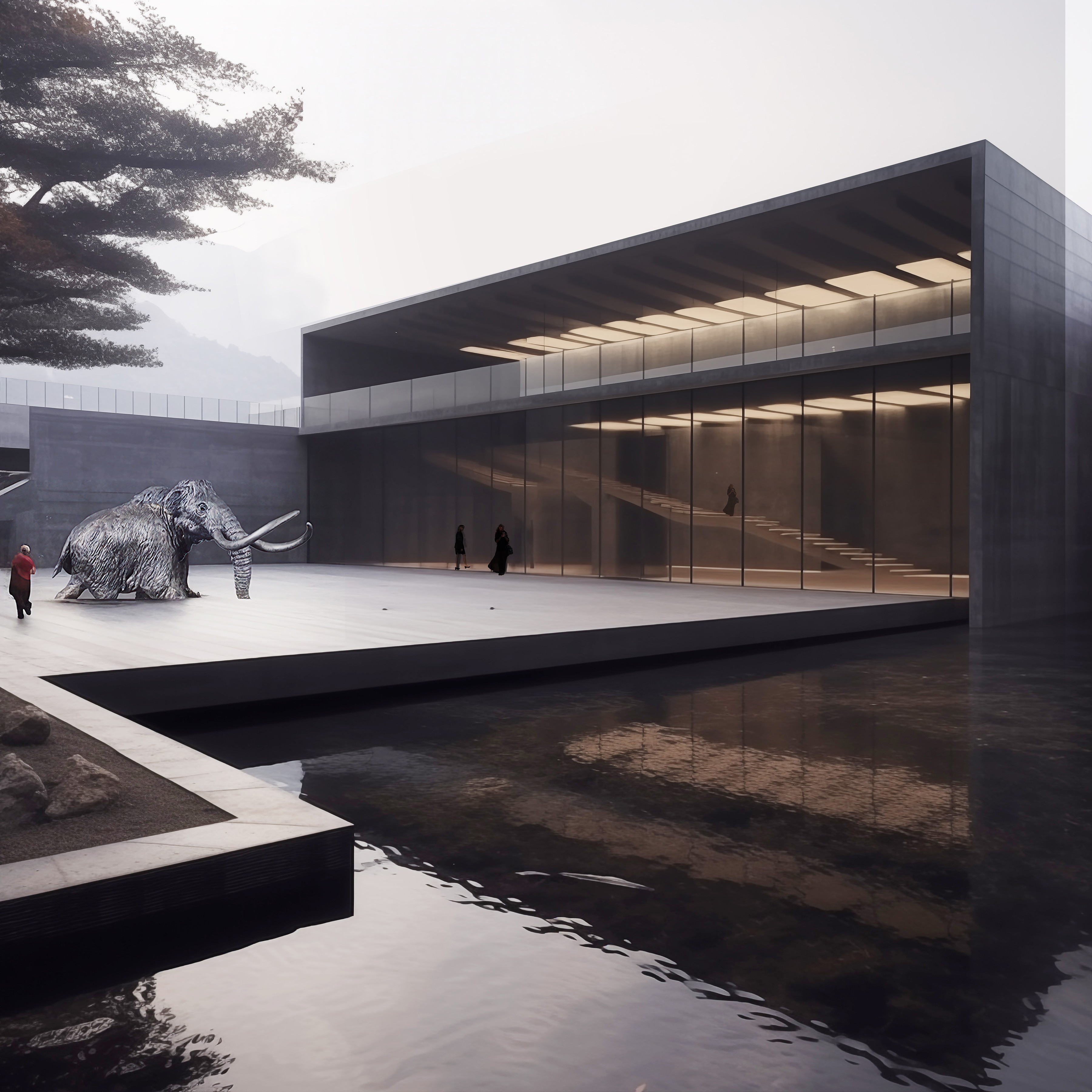
The tar is never hidden. It is the ground the whole campus stands on, and the reason it exists.
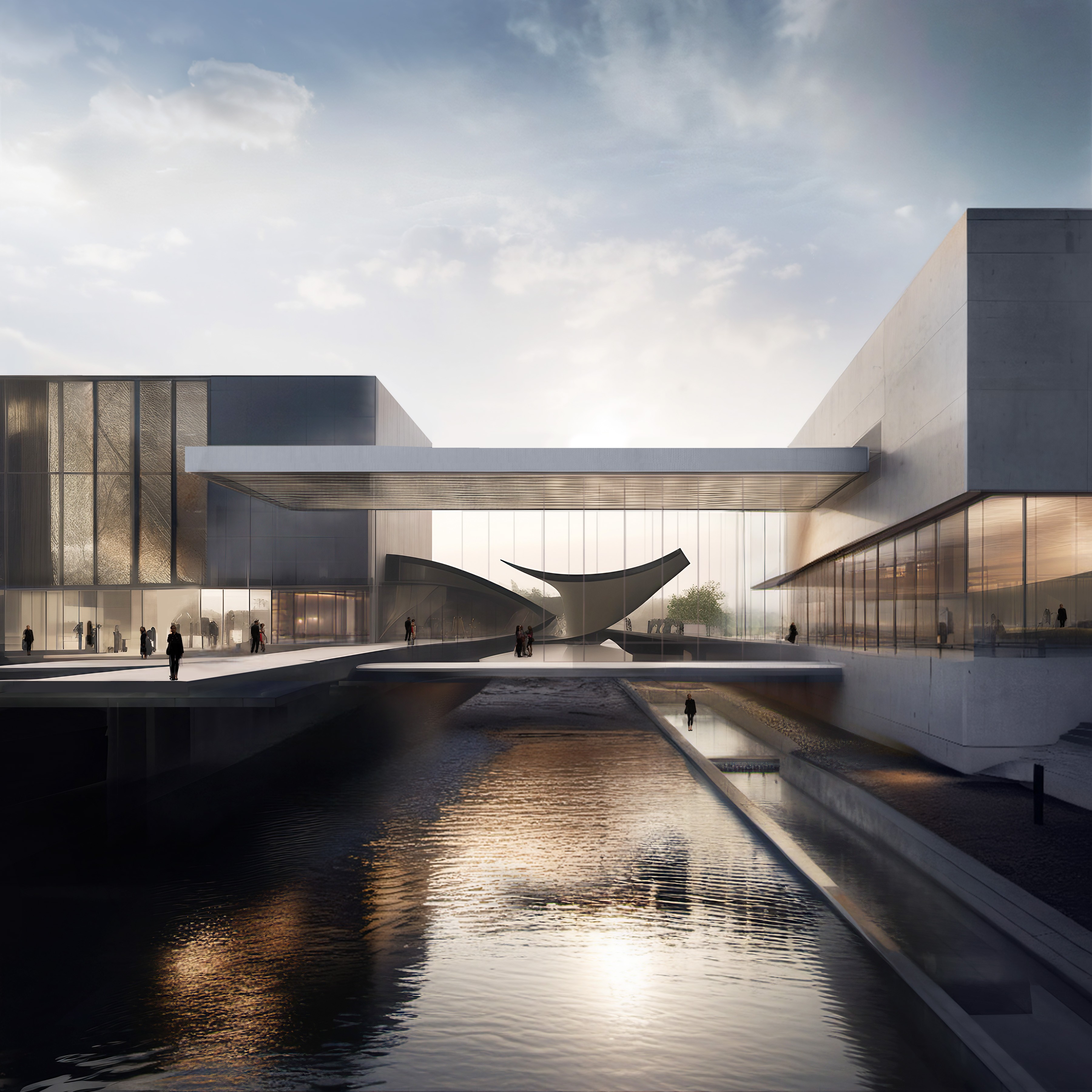
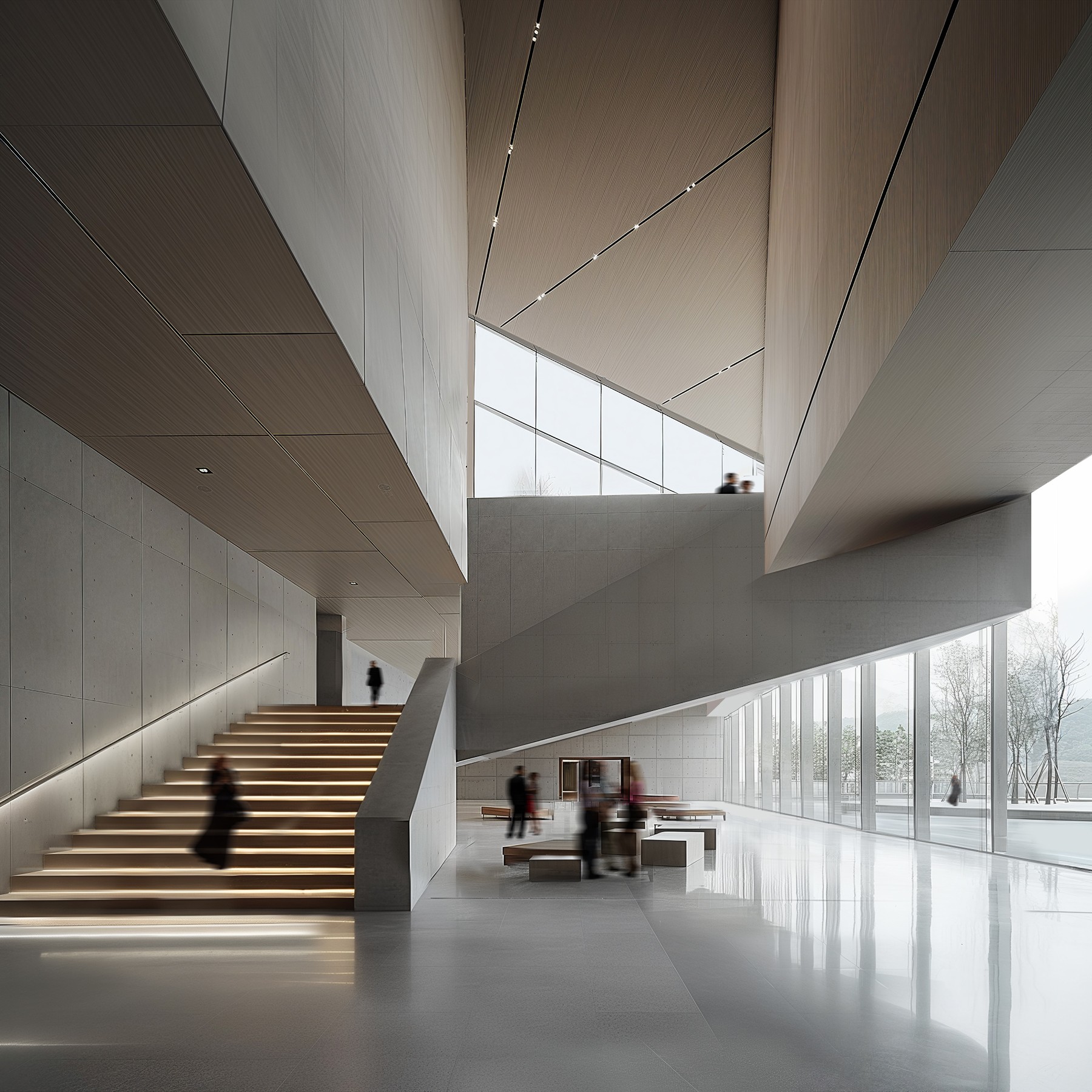
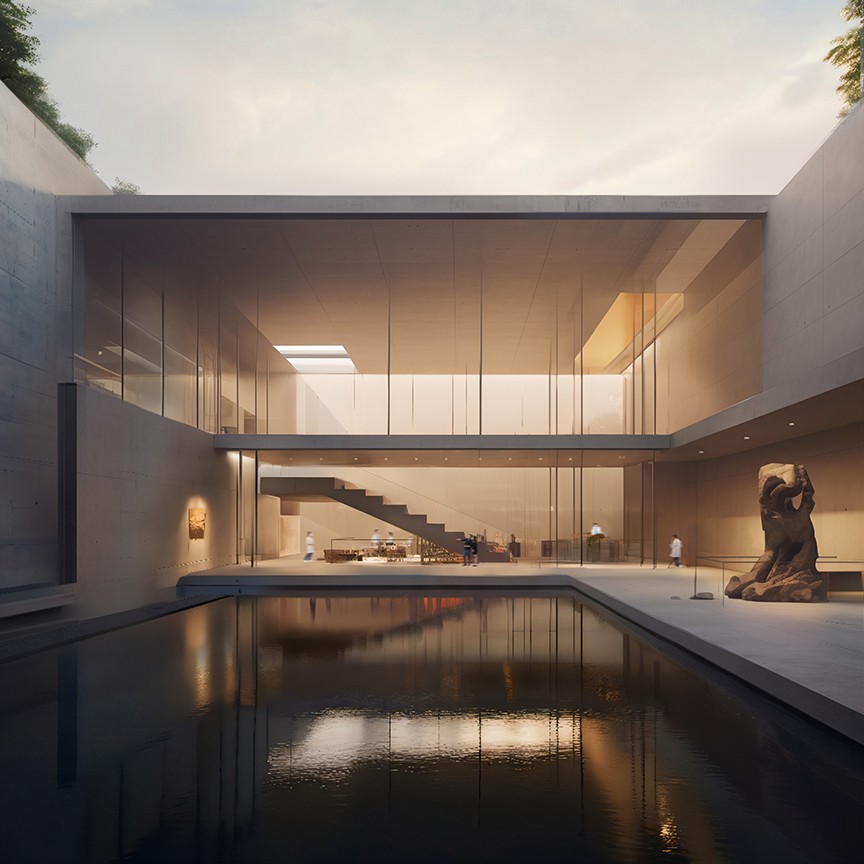
From the entrance at the corner of the site the route goes down: ramps and courts lower the visitor below the street, as if sinking into the tar, until they arrive in the central gathering hall. From there it splits: one way climbs to the institute, the other winds west between the excavation pits.
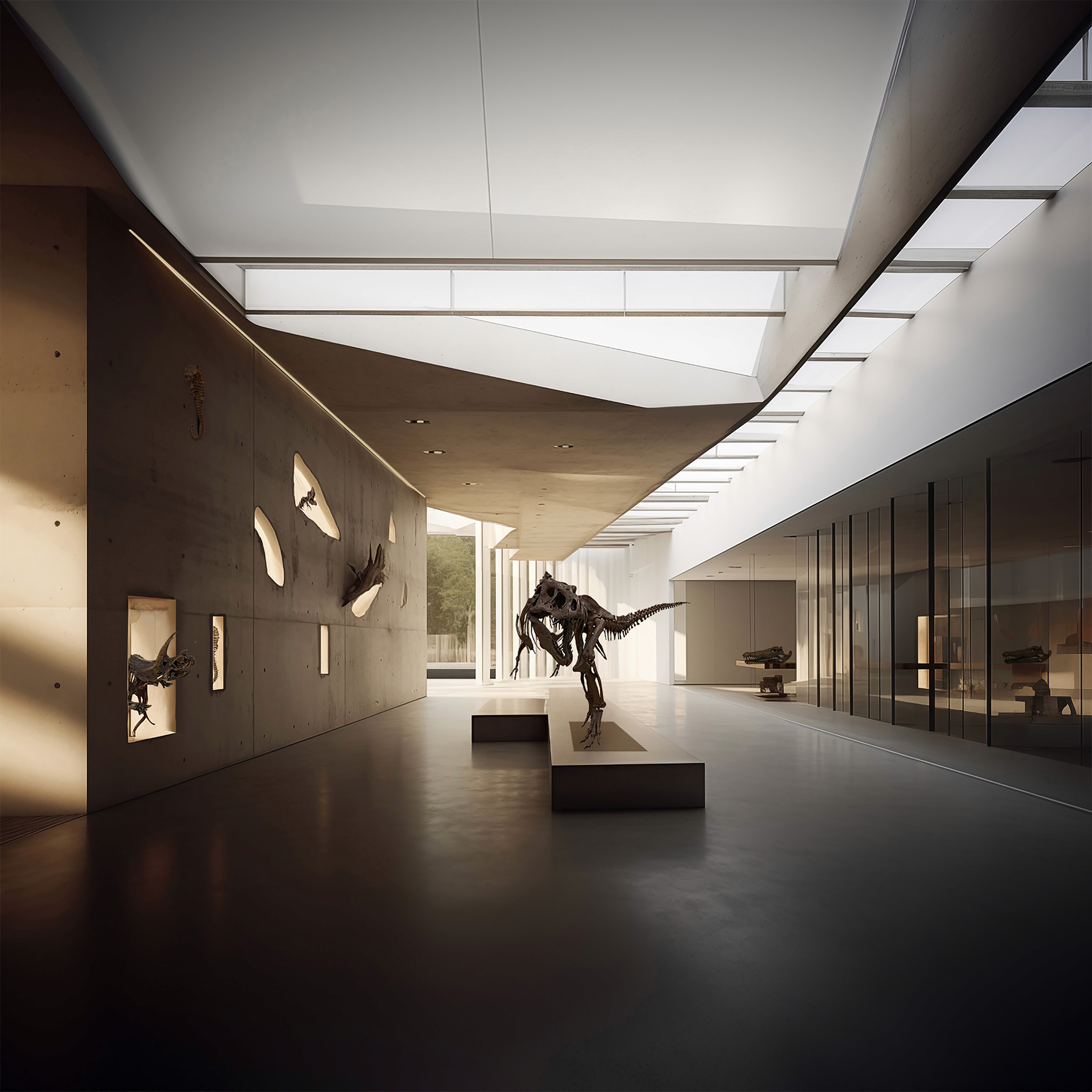
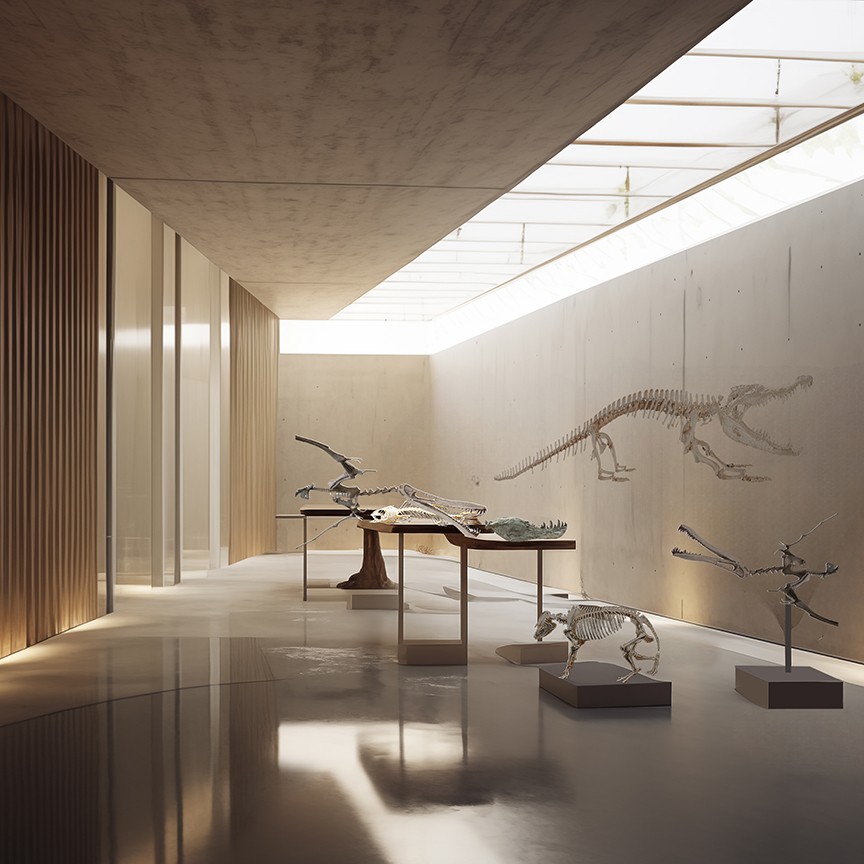
The exhibition building shows fossils twice: in open storage, where the research collection is visible behind glass, and along the halls, where single finds are set against bare concrete.
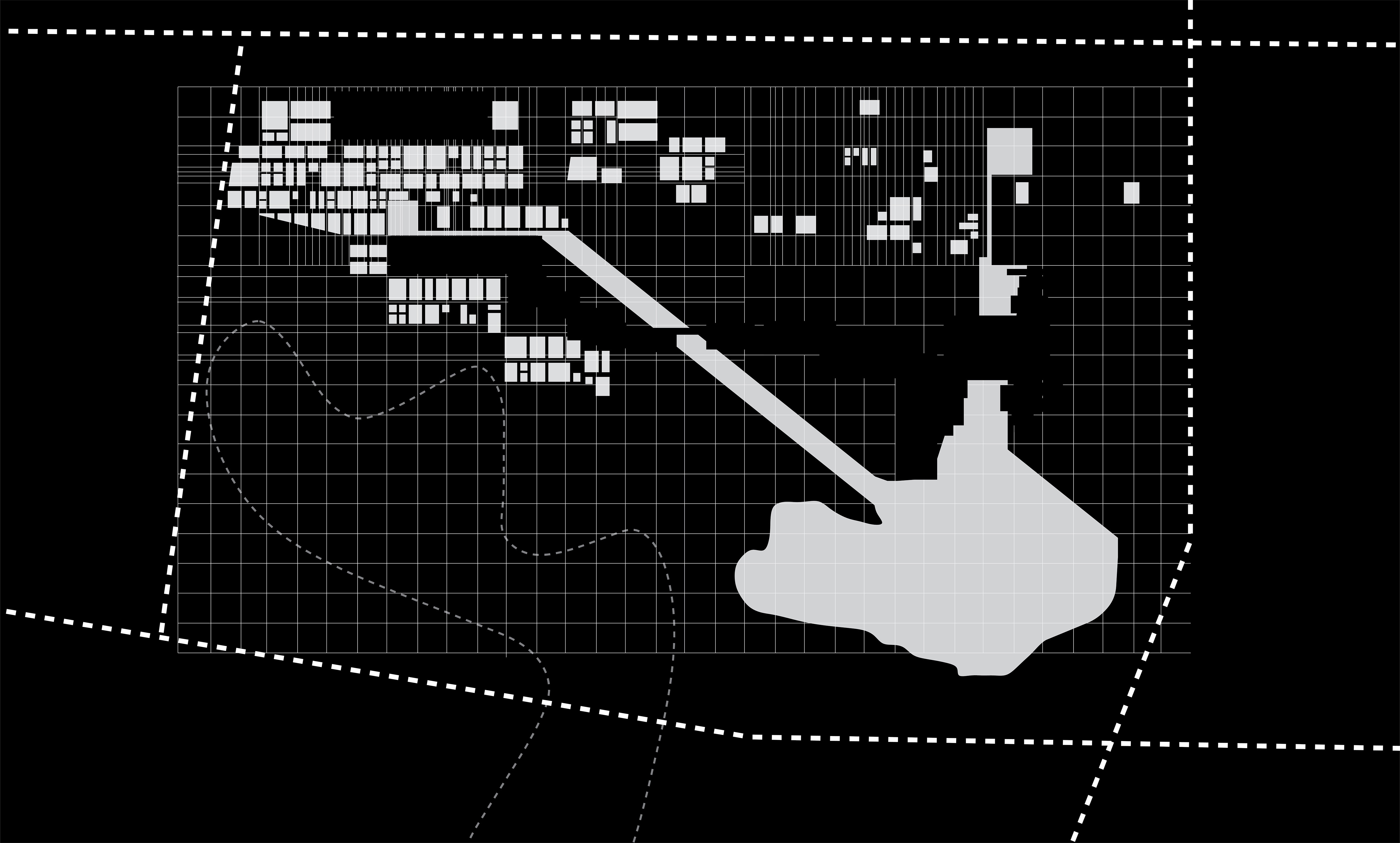
Circulation. Two routes from the entrance: one up through the hall to the institute, one winding west between the pits.
The research building is threaded between active excavation sites. Its circulation is a maze on purpose: visitors find the pits rather than being led to them, and look down on the work as it happens.
The institute building holds lectures and classrooms, every room turned towards the open ground outside.
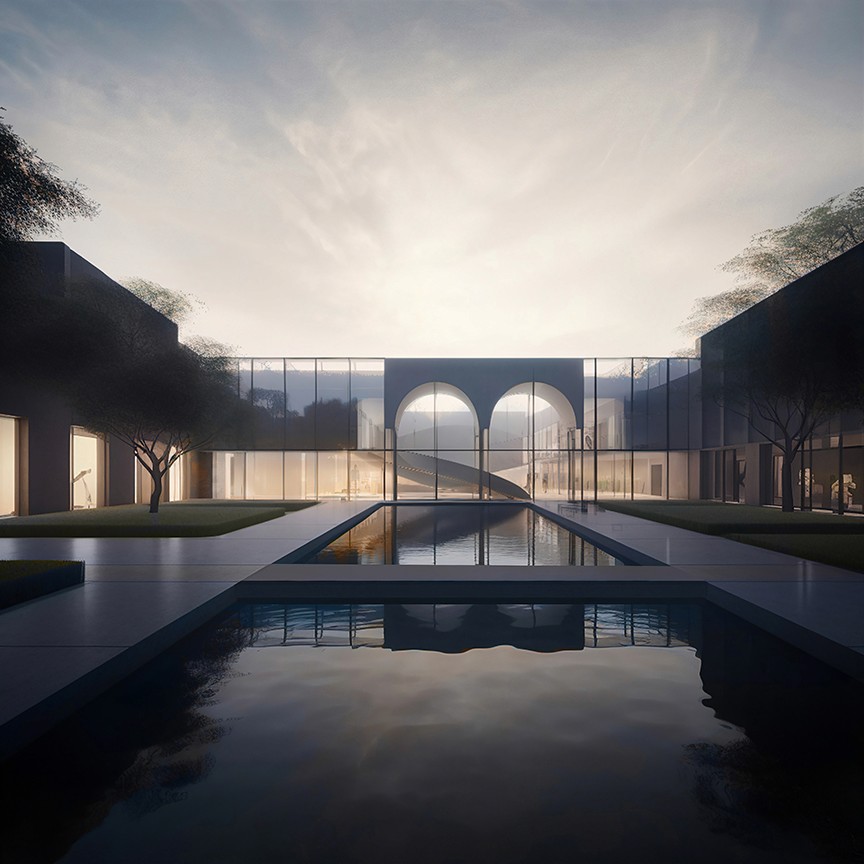
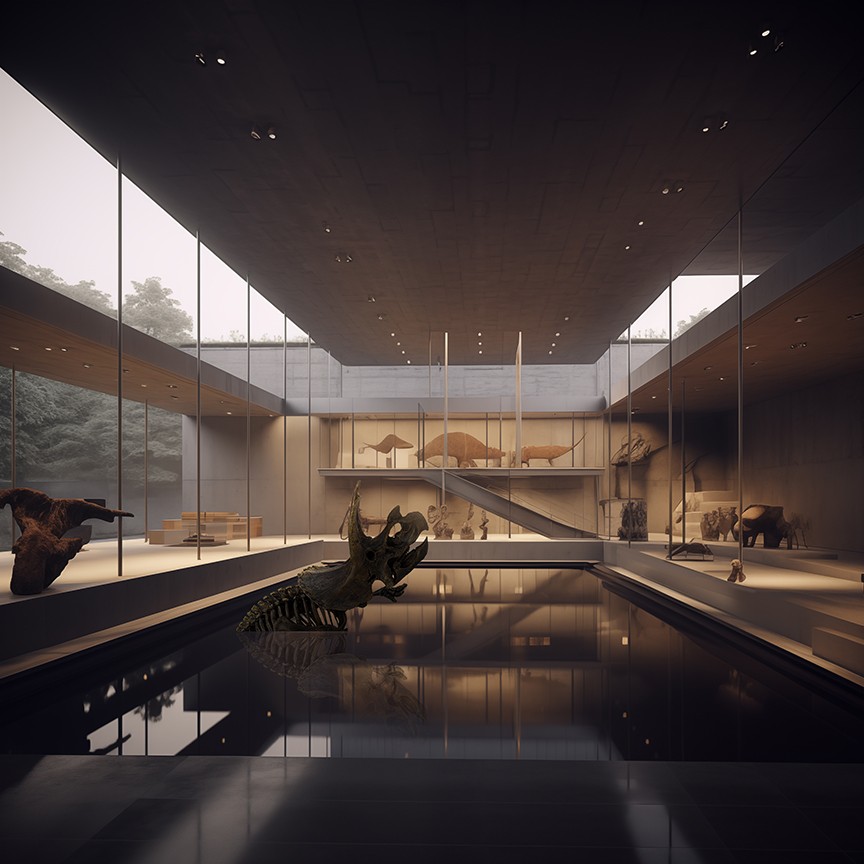
The uncertainty of excavation is where the thrill of discovery begins.